Septic System Repair, Inspection & Replacement in Denver
Denver Sewer & Water provides septic system repair, installation, replacement, inspection, cleaning, pumping, locating, trenchless options, and excavation across the Denver metro and surrounding areas.
If your property relies on a septic system or onsite wastewater treatment system, problems can lead to backups, odors, soggy areas, slow drainage, failed inspections, and expensive long-term damage if the issue is not diagnosed correctly. We help property owners understand the problem, inspect the system, and move into the right repair or replacement path.
- Septic and OWTS specialists.
- Repair, inspection, pumping, and replacement support.
- Cleaning, locating, trenchless options, and excavation.
- Residential and commercial septic service.
- Serving the Denver metro and surrounding areas where septic systems are in use.
Helping septic-dependent properties protect system performance, property conditions, and long-term reliability.
Septic Systems Are Onsite Wastewater Treatment Systems
In Colorado, septic systems are regulated as on-site wastewater treatment systems, often shortened to OWTS. These systems treat and manage wastewater on the property instead of sending it to a public sewer line.
That distinction matters because septic issues are not just plumbing problems. They can involve the tank, lines, distribution components, soil treatment area or drain field, pumping needs, inspection requirements, and local permitting rules depending on the repair or replacement scope.
Septic Backup, Odor, Alarm, or Soggy Yard? Act Before It Gets Worse.
If sewage is backing up, drains are failing, septic odors are strong, or wet areas are forming near the system, the safest next step is to stop assuming it will resolve on its own. Septic problems usually get more expensive when they are left unresolved.
If the system has already failed inspection, is not draining properly, or appears to be affecting the yard or wastewater flow, fast diagnosis matters.
Call for Septic Help — (720) 935-6221
Fast action can reduce the risk of property damage, larger system failure, and repeated backups.
Septic Service Built Around Diagnosis, Maintenance, and Long-term System Health
Some septic issues come from missed maintenance. Others come from worn components, blocked lines, broken baffles, tank problems, drain field stress, pump issues, or aging infrastructure that is no longer reliable.
That is why we approach septic work through inspection first. We want to understand whether the right next step is pumping, cleaning, repair, locating, video inspection, trenchless work, excavation, or full replacement and installation.
Because septic problems can come from many different causes, the right next step depends on understanding the system and identifying whether the issue points toward maintenance, cleaning, repair, troubleshooting, or replacement.
Septic Services We Evaluate and Perform
Septic System Repair
Repair for damaged, failing, leaking, blocked, or worn septic components and systems.
Septic System Installation and Replacement
New system installation or full replacement when the current septic system is too damaged, too old, or no longer reliable for long-term use.
Septic System Locating and Troubleshooting
Locating and troubleshooting support when the system layout is unclear or the problem needs to be diagnosed more accurately.
Septic System Video Inspection
Video inspection to evaluate line conditions, identify failure points, and guide the next decision with more confidence.
Septic Line Cleaning and Hydro Jetting
Cleaning and hydro jetting for lines affected by buildup, blockage, or flow restrictions where cleaning is the right path.
Septic System Excavation
Excavation-based access and repair when the system condition or site conditions require open work.
Trenchless Septic System Repair
Trenchless options when the line condition and project setup make a less invasive repair path practical.
Septic System Cleaning
System cleaning support to help maintain function, reduce buildup-related issues, and support ongoing performance.
Septic Tank Pumping
Pumping service to remove accumulated waste and help keep the system functioning the way it should.
Explore Septic Tank Pumping
Septic Projects in Colorado Often Involve County and State Rules
The Colorado Department of Public Health and Environment states that onsite wastewater treatment systems are governed by Regulation 43. For OWTS systems with flows of 2,000 gallons per day or less, permitting is generally handled by local counties and public health agencies. Larger systems follow a different design-review path.
That matters for septic repair and replacement pages because not every job is just a service call. Some projects overlap with inspection requirements, county permit rules, replacement approvals, transfer-of-title processes, or local health department oversight depending on the system and the county.
For example, Jefferson County requires septic inspection and a use permit before the sale of qualifying properties with OWTS systems, and Douglas County states that it permits the installation, repair, and use of these systems in the county.
A strong septic page should show that Denver Sewer & Water understands both the service side and the regulatory reality without making promises it cannot control.
Who This Page Should Speak to
We help homeowners, lower-density properties, commercial sites, and other Denver-metro-area properties that rely on septic or OWTS infrastructure instead of a public sewer connection.
In more urban areas, public sewer is often the default, so septic service is especially important for properties that already know they rely on a tank, field, or other onsite wastewater components
Common Signs a Septic System May Need Service
- Slow drains or repeated backups inside the property.
- Septic odors near the house, tank, or drain field area.
- Soggy, wet, or unusually green areas around the septic field.
- Gurgling fixtures or poor wastewater flow.
- Alarm conditions on systems that use pumps or advanced components.
- Known tank damage, worn components, or aging infrastructure.
- Failed inspection or transfer-of-title concerns.
- Long gaps since the last pumping, cleaning, or system evaluation.
If these problems sound familiar, inspection is usually the safest next step before deciding whether the system needs pumping, cleaning, repair, or full replacement.
Do You Need Pumping, Repair, or Full Replacement?
Pumping or Cleaning May Be the Right Move When
- The system is overdue for routine maintenance.
- The main issue is sludge buildup, restricted flow, or maintenance-related performance decline.
- The system structure is still broadly functional once the waste and buildup are addressed.
Repair May Be the Right Move When
- The issue is tied to a damaged component, blocked line, isolated defect, or specific failure point that can be corrected without replacing the whole system.
- The rest of the system is still in usable condition.
Replacement May Be the Better Move When
- The system is broadly deteriorated, repeatedly failing, or no longer reliable enough for long-term performance.
- The tank, field, or key components are too compromised for a durable repair.
- The property needs a more dependable long-term wastewater solution.
Septic systems are not one-size-fits-all. Maintenance, repair, and replacement are very different decisions, and inspection comes first.
Routine Maintenance and Inspection Can Prevent Bigger Septic Failures
Septic systems often fail gradually before they fail dramatically. Pumping gets delayed, lines accumulate buildup, components wear down, and small issues turn into backups or larger system failures.
Routine pumping, periodic inspection, and timely troubleshooting can help prevent emergency failures and more expensive repair or replacement work.
Excavation When Necessary. Trenchless Options When They Truly Fit.
Some septic-related problems can be handled through pumping, cleaning, or targeted repair. Others require excavation because the line or system is damaged, access is limited, or the failure involves components that need open repair.
In some situations, trenchless methods may be part of the right repair path. But like sewer and water lines, trenchless is not automatically the answer to every septic problem. The right method depends on the system layout, condition, and what will create the most reliable result.
How Our Septic Process Works
Understand the system and the symptoms
We start with what the property is experiencing, what kind of septic system is in place if known, whether backups or odors are active, and whether pumping or inspection has already been done.
Inspect and Troubleshoot
We evaluate whether the issue points toward maintenance, cleaning, pumping, a localized repair, excavation, trenchless work, or larger replacement needs.
Recommend the Right Path
We explain whether the system needs pumping, repair, locating, inspection, excavation, or full installation and replacement.
Complete the Work
Once the scope is clear, the work moves forward with a focus on system reliability, property protection, and clear communication about the next step.
Why a Specialist Matters for Septic Work
Septic systems are different from public sewer systems
Septic work involves onsite wastewater treatment, maintenance, inspection, and often county-specific regulatory considerations.
Users Need Help Understanding the Right Category of Problem
Many property owners do not know whether they need pumping, cleaning, repair, inspection, or replacement until the system is evaluated properly.
Regulatory Awareness Builds Trust
Colorado OWTS rules and county permitting matter on the right jobs, which is why septic work needs more than generic drain or plumbing advice.
Routing Into the Right Child Service Matters
From there, the system can be routed into the right path for repair, installation and replacement, locating, video inspection, line cleaning, excavation, trenchless repair, cleaning, or pumping.
See the Kind of Septic Work We Do
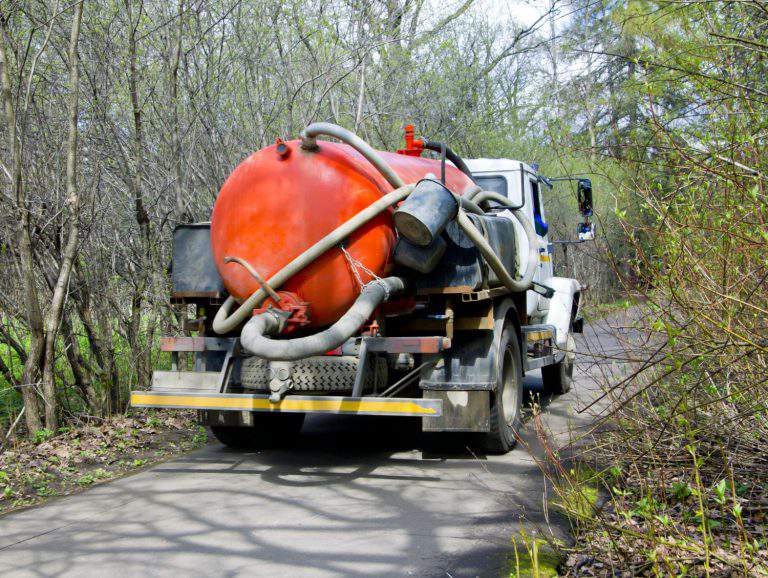
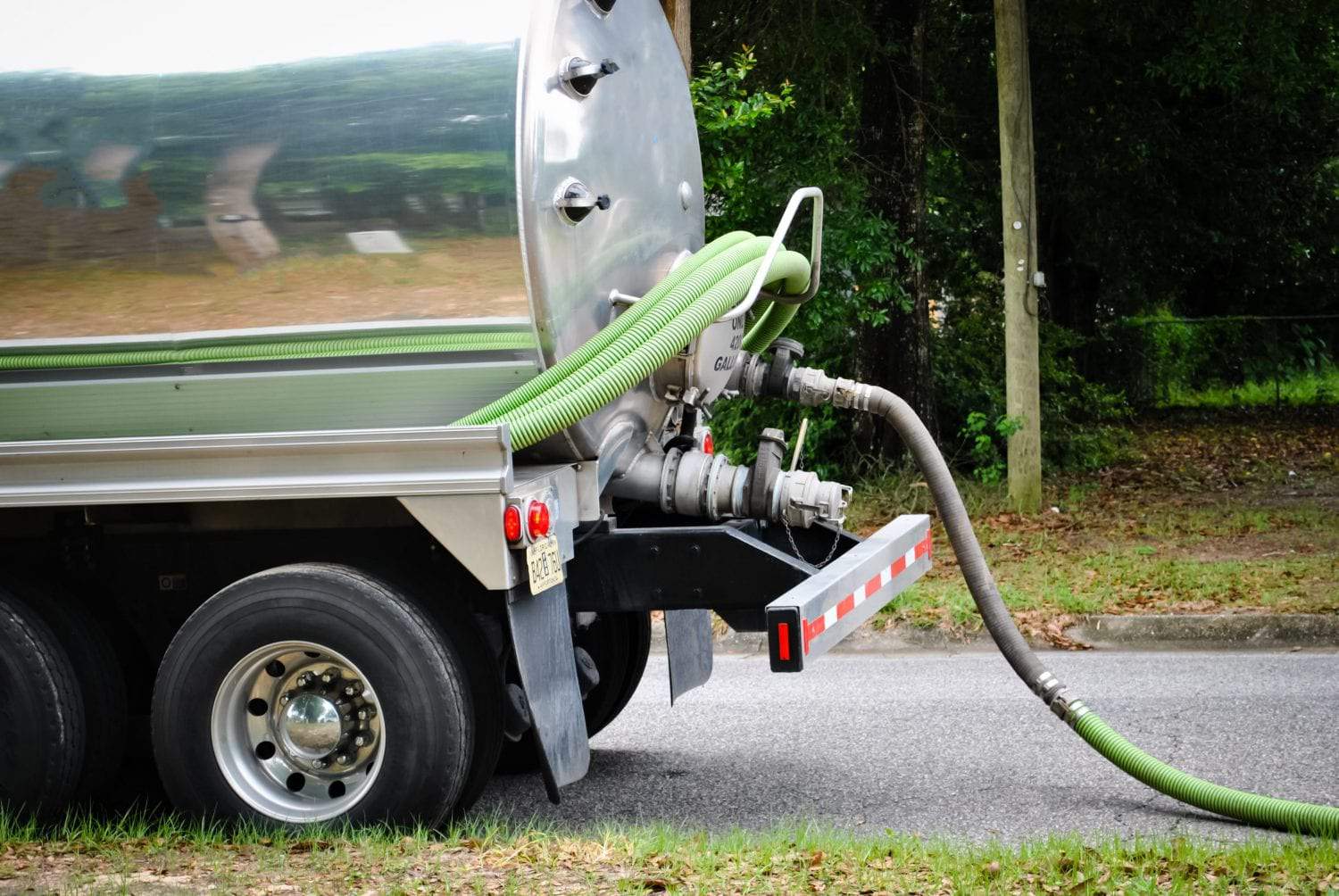
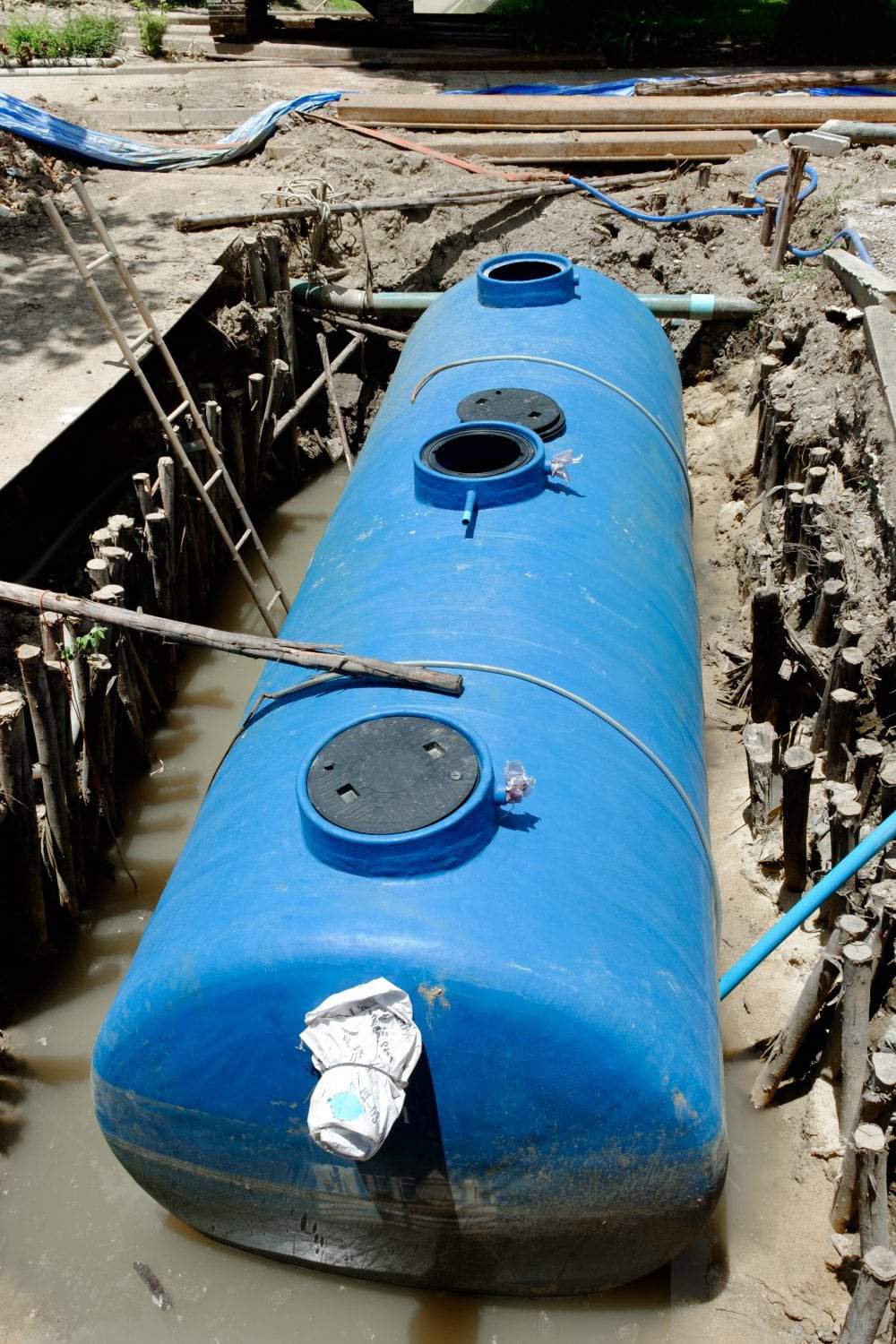
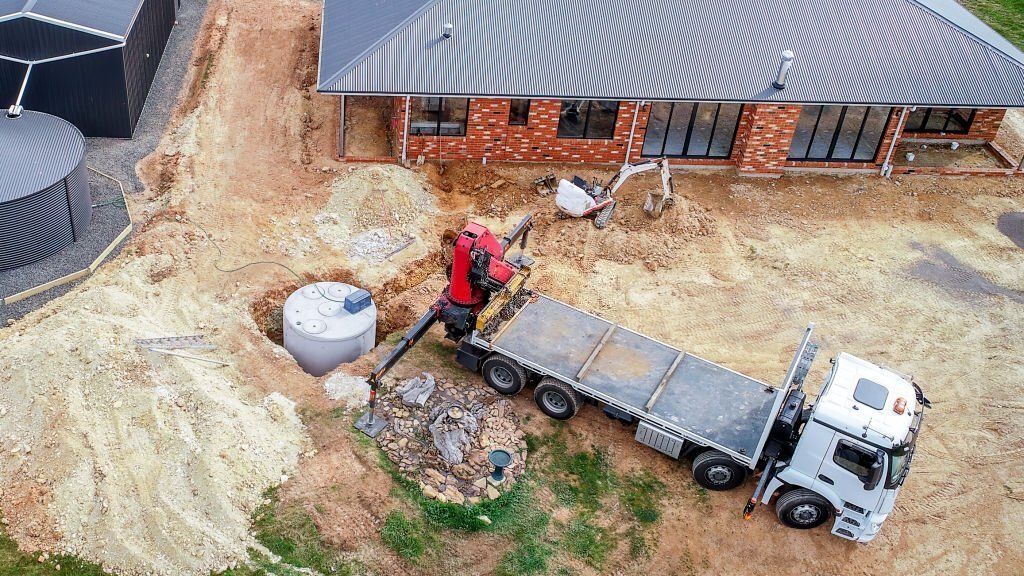
Real project proof helps show the kinds of septic repair, pumping, installation, replacement, inspection, trenchless work, and excavation the team performs on actual Denver-metro-area properties.
Serving Denver and Surrounding Metro Communities
Denver Sewer & Water provides septic services across Denver and nearby metro areas where properties rely on onsite wastewater treatment systems.
Denver
Aurora
Lakewood
Littleton
Westminster
Arvada
Castle Rock
Centennial
Highlands Ranch
Parker
urrounding lower-density communities where septic systems are in use.
Frequently Asked Questions
What is an Onsite Wastewater Treatment System?
An onsite wastewater treatment system, or OWTS, is another term for a septic system. In Colorado, these systems are governed by Regulation 43.
Who Handles Septic Permits in Colorado?
For many OWTS systems with flows of 2,000 gallons per day or less, permitting is handled by local counties or public health agencies. Larger systems follow a different design-review process.
How Do I Know if My Septic System Needs Pumping or Repair?
Signs like slow drains, backups, odors, soggy areas, and overdue maintenance can point toward the need for pumping, cleaning, inspection, or repair. A system evaluation helps identify the right next step.
Can a Septic System Be Repaired Without Full Replacement?
Yes. Some systems need maintenance or targeted repair, while others are too damaged or too old for a durable fix and need replacement instead.
Do Septic Systems Need Inspections When Properties Are Sold?
In some counties, yes. For example, Jefferson County requires inspection and a use permit before the sale of qualifying properties with onsite wastewater treatment systems.
Do You Handle Both Residential and Commercial Septic Work?
Yes. Denver Sewer & Water can support both residential and commercial septic-related needs depending on the system and property type.
How do I get started?
Call (720) 935-6221 or request a free quote online to discuss the issue, the property type, and the most practical next step.
Need Help With a Septic System Problem?
Talk to Denver Sewer & Water about the symptoms, the property, the septic system if known, and the safest next step for inspection, pumping, repair, cleaning, or replacement.
Share the property address or city, the type of property, what symptoms you are seeing, whether backups, odors, or soggy areas are present, and whether the system has already been pumped or inspected recently.