Sewer Line Repair in Denver
When a sewer line is cracked, leaking, offset, root-damaged, or causing repeated backups, the right repair depends on what is actually happening underground. Denver Sewer & Water provides sewer line repair in Denver with inspection-first diagnosis, targeted repair options, trenchless methods when they fit, and excavation when they are necessary.
This page is built for repair intent specifically. That means the focus is not just sewer service in general. It is helping property owners understand whether the problem can be fixed with a repair, whether a spot repair is realistic, or whether the condition of the line points toward replacement instead.
- Sewer repair specialists.
- Camera inspection and real diagnosis.
- Residential and commercial service.
- Spot repair, trenchless options, and excavation.
- Serving Denver and surrounding metro areas.
Repair-first guidance for sewer line problems that need a real answer, not guesswork.
Sewer Backup, Foul Odor, or Recurring Drain Issue? Start Here.
If sewage is backing up into tubs, showers, toilets, or floor drains, stop using affected fixtures and get the problem evaluated quickly. Sewer line damage and major blockages usually get worse when wastewater keeps moving into an already failing line.
If the issue is recurring, that usually means the real cause has not been solved yet. Repeated snaking without understanding the line condition can delay the right repair decision.
Call for Sewer Repair Help — (720) 935-6221
Fast action matters when a sewer line problem is active or repeatedly disrupting the property.
Sewer Repair Starts With Finding the Actual Failure Point
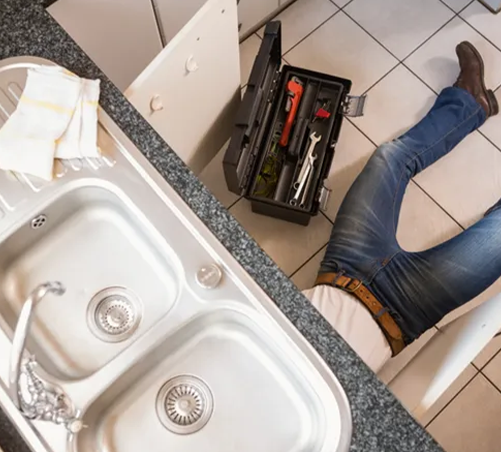
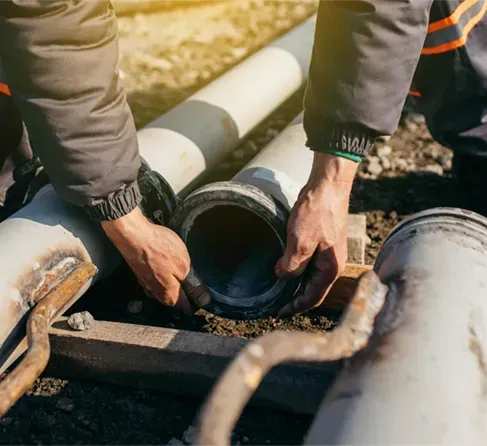
Not every sewer problem needs a full replacement. In many cases, a line can be repaired if the damage is limited to a specific section, the rest of the pipe is still serviceable, and the repair method makes sense for the condition of the line.
That is why sewer repair should start with inspection and diagnosis. We want to understand whether the problem is a crack, separated joint, root intrusion, offset section, corrosion, blockage, or another failure that points toward spot repair, trenchless work, excavation, cleaning, or a larger replacement decision.
Good repair pages rank because they help users understand the decision path, not because they throw every sewer keyword onto one page.
Sewer Repair Services and Repair-adjacent Solutions
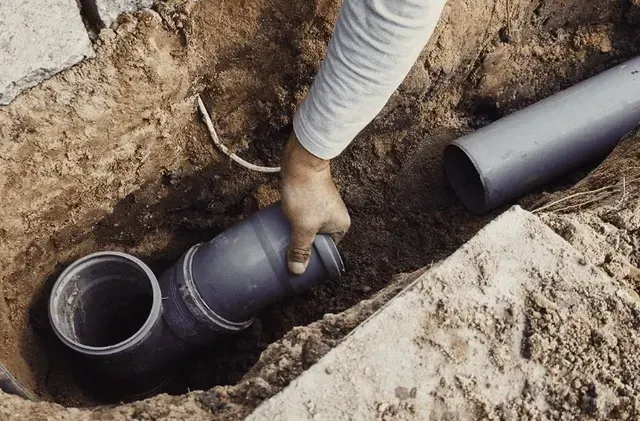
Spot Sewer Line Repair
Targeted repair for a limited damaged section when the rest of the line is still in usable condition.
Cracked or Leaking Sewer Pipe Repair
Repair options for pipes with localized cracks, leaks, joint separation, or deterioration affecting performance.
Root-damaged Sewer Line Repair
Repair planning when tree roots have entered the line and caused blockage, damage, or repeated backups.
Trenchless Sewer Repair
Less invasive repair options when the line condition and project setup make trenchless methods a practical fit.
Explore Trenchless Sewer Repair
Sewer Camera Inspection
Inspection to identify the actual location and type of failure before recommending repair or replacement.
Explore Sewer Scope & Video Inspection
Sewer Locating and Troubleshooting
Locating support when the failure point is unclear, the line path is uncertain, or multiple symptoms need to be separated.
Explore Sewer Cleaning & Hydro Jetting
Cleanouts and Hydro Jetting
Cleaning-related service when blockage, buildup, or roots are part of the problem and the line needs to be restored or evaluated further.
Explore Sewer Line Cleanouts
Explore Sewer Cleaning & Hydro Jetting
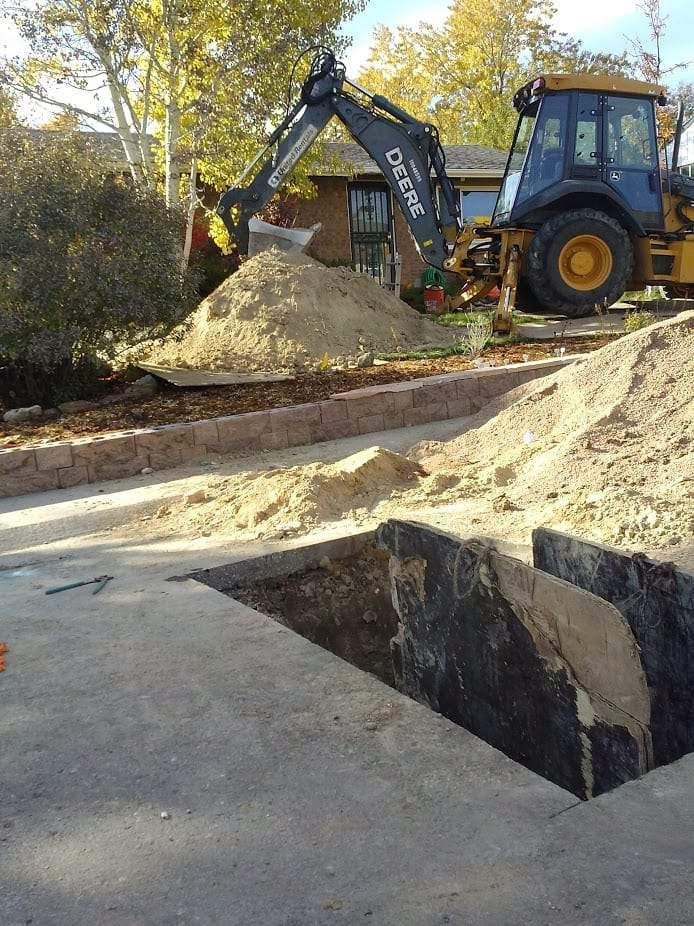
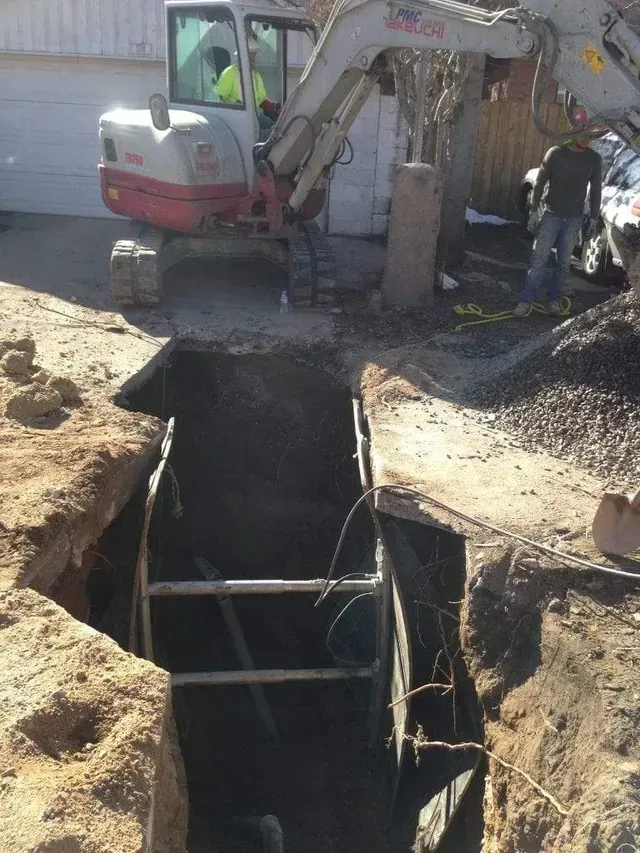
Sewer Excavation Repair
Open repair access for lines that cannot be repaired effectively through less invasive methods.
Explore Sewer Excavation
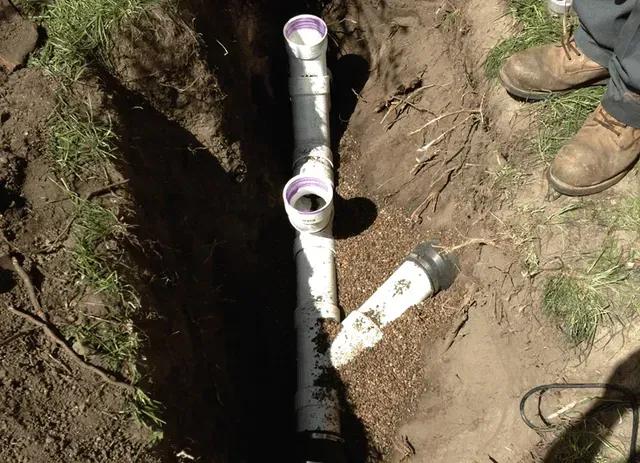
Sewer Replacement When Repair is Not Enough
Replacement options when the line is too deteriorated, too damaged, or too unreliable for a durable repair.
Explore Sewer Line Replacement & Installation
Common Causes of Sewer Line Damage
- Tree roots entering joints or damaged pipe sections.
- Cracks, breaks, and leaking joints.
- Offset pipes caused by shifting soil or movement underground.
- Corrosion or deterioration in older pipe materials.
- Sagging sections that collect waste and create recurring blockages.
- Grease, buildup, or debris that contributes to line failure over time.
- Damage tied to age, wear, or repeated unresolved backups.
Competitors that rank well tend to explain these causes clearly because users want to know why the line failed, not just that a contractor can dig it up.
Do You Need Sewer Line Repair or Full Replacement?
Repair May Be the Right Move When
- The damage is limited to a specific section of the line.
- The rest of the sewer line is still in serviceable condition.
- A targeted fix can restore dependable performance without replacing the entire run.
Replacement May Be the Better Move When
- The line is broadly deteriorated, repeatedly failing, or damaged in multiple sections.
- The material and age of the pipe make repeated repair a poor long-term choice.
- The most reliable answer is a new line instead of continued patching.
Strong sewer repair pages do not pretend repair is always the answer. They help users understand when repair makes sense and when replacement is the smarter long-term move.
Camera Inspection Should Come Before Major Sewer Repair Decisions
Competitor pages that perform well in this space consistently emphasize camera inspection because it reduces guesswork. A sewer camera inspection helps identify the exact problem, where it is located, how severe it is, and whether repair is realistic.
That matters for both ranking and conversions because users searching for sewer line repair are often trying to avoid unnecessary replacement, unnecessary excavation, and unclear pricing caused by poor diagnosis.
Trenchless if Possible. Excavation if Necessary.
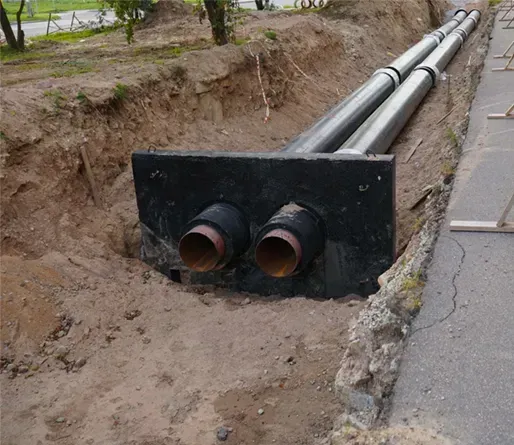
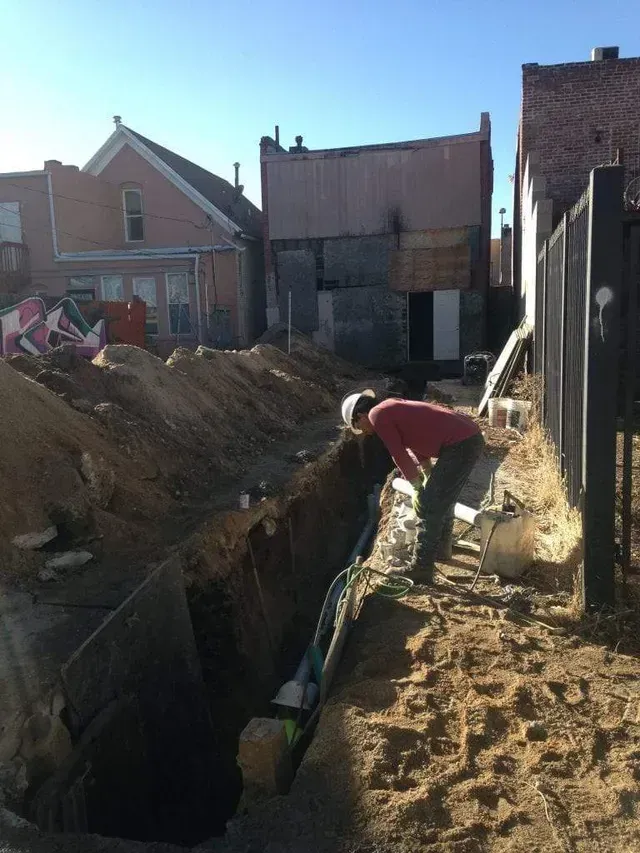
Some sewer repairs can be handled with less invasive methods. Others require excavation because of the location of the damage, the condition of the pipe, depth, access, or the type of repair needed.
That is why a repair page should explain both options clearly. Users want to protect yards, driveways, and landscaping when possible, but they also want the repair method that will actually solve the problem well.
Trenchless May Be a Fit When
- The line condition supports it.
- The repair can be completed effectively with limited access points.
- Minimizing property disruption is important and technically realistic.
Excavation May Be the Better Path When
- The pipe is too damaged, collapsed, offset, or poorly positioned for a reliable trenchless repair.
- Full exposure creates the safest and most durable repair outcome
- A new line will provide better long-range performance than patching the existing one.
Signs You May Need Sewer Line Repair
- Repeated backups in tubs, toilets, or floor drains.
- Slow drainage in multiple fixtures at the same time.
- Sewage odors inside or outside the property.
- Recurring clogs that keep returning.
- Soggy or wet areas near the sewer line path.
- Gurgling sounds when other plumbing fixtures are used.
- Older sewer lines with known material or condition issues.
- Root intrusion or damage already identified by a prior inspection.
If these symptoms sound familiar, inspection is usually the right next step before deciding on repair, cleaning, or replacement.
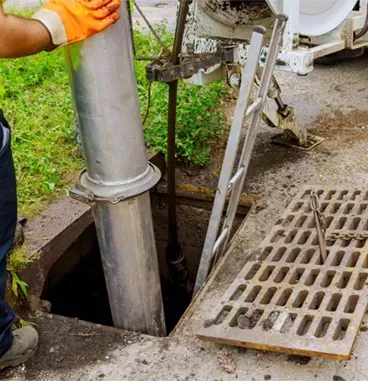
How Our Sewer Repair Process Works
Understand the Symptoms
We start with what the property is experiencing, how urgent it feels, and whether the issue appears to be isolated or recurring.
Inspect and Diagnose
We use camera inspection, locating, and field evaluation to identify the likely cause and condition of the sewer line.
Explain the Repair Path
We walk through whether the line points toward spot repair, trenchless work, excavation, cleaning, or replacement.
Complete the Work
Once the repair scope is clear, the work moves forward with a focus on durability, communication, and as little disruption as reasonably possible.
Sewer Repair Help for Homes, Commercial Properties, and More
Denver Sewer & Water works with homeowners, businesses, property managers, and other property stakeholders dealing with broken sewer lines, recurring backups, failed inspections, root problems, and repair decisions.
This page should work for users who already suspect the line can be repaired as well as users who need help determining whether repair is still realistic.
Why Trust Matters on Sewer Repair Projects
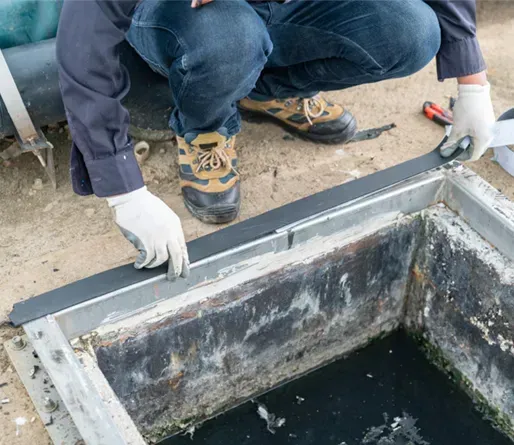
Customers call us when the problem is serious, the stakes are high, and they need a team that understands underground line work.
★★★★★
Serving Denver and Surrounding Metro Communities
Denver Sewer & Water provides septic services across Denver and nearby metro areas where properties rely on onsite wastewater treatment systems.
2491 W Iliff Ave, Denver, CO 80219
Denver
Aurora
Lakewood
Littleton
Westminster
Arvada
Castle Rock
Centennial
Frequently Asked Questions
Can a Sewer Line Be Repaired Instead of Replaced?
Yes. If the damage is limited and the rest of the line is still in good enough condition, a targeted repair may be the best option. In other cases, replacement is the more dependable long-term answer.
What is a Spot Repair on a Sewer Line?
A spot repair is a targeted repair to one damaged section of the sewer line instead of replacing the entire pipe run.
Do I Need a Camera Inspection Before Sewer Repair?
In many cases, yes. A camera inspection helps identify the exact cause and location of the problem so the repair plan is based on real findings instead of guesswork.
Can Tree Roots Damage a Sewer Line Enough to Need Repair?
Yes. Root intrusion can crack joints, create blockages, and damage the line enough to require cleaning, repair, or replacement depending on the severity.
Will Sewer Repair Always Require Excavation?
No. Some lines can be repaired with trenchless methods or more targeted access. Others still require excavation depending on the location and condition of the damage.
What if the Line is Too Damaged to Repair?
If the line is too deteriorated or damaged for a durable repair, replacement may be the safer and more reliable long-term option.
How Do I Get Started?
Call (720) 935-6221 or request a free quote online to explain the issue and get the right next step for repair, inspection, or replacement.
Need Help With a Sewer Line Repair Issue?
Talk to Denver Sewer & Water about the symptoms you are seeing and get clear next-step guidance on inspection, spot repair, trenchless options, excavation, or replacement if needed.
Share the property address or city, what symptoms you are seeing, whether backups are active, whether a camera inspection has already been done, and whether the concern appears tied to roots, breakage, repeated clogs, or yard damage.