Trenchless Sewer Line Repair in Denver
When a sewer line is damaged, many property owners want the most durable fix with the least disruption to the yard, driveway, landscaping, or hardscape. Denver Sewer & Water provides trenchless sewer line repair in Denver, including camera inspection, pipe lining, pipe bursting, minimal-dig replacement, and excavation when trenchless is not the right fit.
This page is built for trenchless intent specifically. That means the goal is not just to say trenchless is available. It is to help users understand what trenchless repair is, how it works, when it makes sense, and when a traditional excavation approach may still be the better long-term answer.
- Trenchless sewer specialists.
- Pipe lining and pipe bursting options.
- Camera inspection before major decisions.
- Less disruption when the line condition supports it.
- Serving Denver and surrounding metro areas.
Modern sewer repair options designed to reduce disruption without sacrificing long-term performance.
What Trenchless Sewer Repair Actually Means
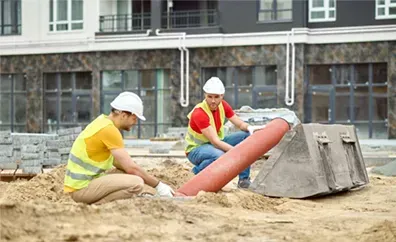
Trenchless sewer repair is a method of repairing or replacing a sewer line without digging a long open trench across the entire property. Instead of full trenching from one end of the line to the other, trenchless methods typically use limited access points to restore or replace the pipe underground.
That is why trenchless repair is often called a no-dig or minimal-dig sewer repair method. In practice, it does not always mean zero digging. It means far less disruption than a traditional full excavation in the right conditions.
Why Property Owners Ask for Trenchless Sewer Repair
Most users searching for trenchless sewer repair are trying to solve two problems at once: they want the sewer line fixed, and they want to avoid tearing up expensive landscaping, driveways, sidewalks, patios, or other finished parts of the property if possible.
That is why the best trenchless pages lead with clarity. They explain the benefits, show the limits, and help users understand whether trenchless repair is realistic for the actual condition of the line.
Common Trenchless Sewer Repair Methods
Pipe Lining
Pipe lining creates a new inner pipe within the existing sewer line when the original pipe is still structurally suitable for that kind of rehabilitation. This can reduce digging and create a smoother, more durable interior flow path.
Pipe Bursting
Pipe bursting replaces the existing sewer line by breaking the old pipe outward while pulling a new pipe into place. This can be a strong option when the goal is full replacement with less surface disruption than traditional trenching.
Inspection-first Planning
Both trenchless methods depend on understanding the existing pipe condition, the exact layout of the line, and whether the problem is the right type of problem for trenchless repair or replacement.
Trenchless Repair Should Start With Camera Inspection, Not Sales Pressure
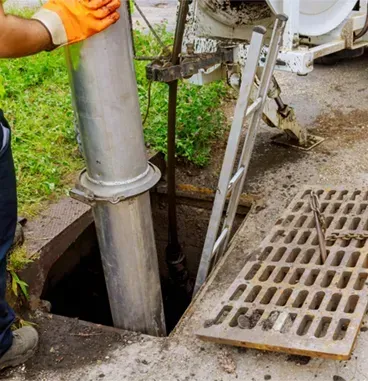
High-performing trenchless competitors consistently emphasize camera inspection first, and for good reason. Trenchless methods work best when the contractor clearly understands what has failed, where it has failed, and whether the line still supports a trenchless solution.
If the sewer line is too collapsed, badly offset, incorrectly sloped, or damaged in a way that prevents reliable lining or bursting, trenchless may not be the best choice. Good trenchless pages rank because they explain that honestly instead of pretending every line qualifies.
Benefits of Trenchless Sewer Repair
- Less disruption to landscaping, driveways, sidewalks, patios, and outdoor surfaces.
- Faster completion in many trenchless-eligible situations.
- Reduced restoration work compared with a full open trench.
- A strong long-term solution when the right trenchless method is used for the right line condition.
- A cleaner project experience for properties where preserving finished surfaces matters.
Competitor pages that rank well do a good job showing that trenchless is not just about convenience. It is also about reducing collateral damage while still solving the sewer problem well.
When Trenchless Sewer Repair May Be a Good Fit
The existing sewer line still has enough structural continuity for the method being considered
- The goal is to reduce disruption to landscaping, driveways, or paved surfaces.
- The property setup allows access pits or limited access points to be created efficiently.
- The condition of the line supports lining or pipe bursting as a durable long-term solution.
When Excavation May Still Be the Better Path
- The line is too collapsed or too badly offset for a reliable trenchless repair.
- The original installation has serious slope, sag, or pitch problems that trenchless will not correct well.
- There are access, utility, or site conditions that make open excavation the safer or more dependable solution.
- The most durable answer requires direct access to the damaged section or surrounding infrastructure.
Trenchless vs Traditional Sewer Repair
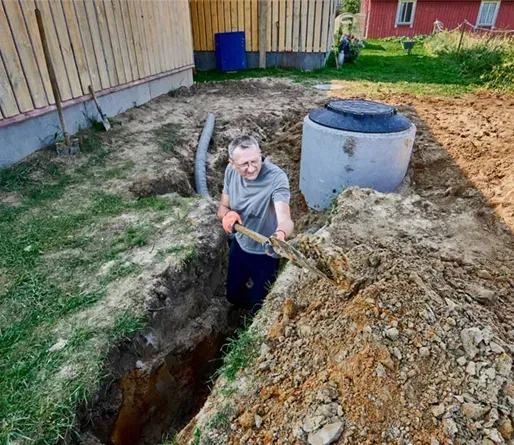
Traditional excavation is still the right answer in some situations, especially when the line condition, slope, depth, or site setup makes full access necessary. But when a line qualifies for trenchless repair or replacement, many property owners prefer the chance to preserve the yard and reduce the project mess.
The right comparison is not trenchless versus excavation in general. It is which method creates the most reliable long-term repair for the actual condition of the line.
Common Sewer Problems That May Lead to a Trenchless Solution
- Root intrusion affecting older sewer lines.
- Cracked or deteriorated sewer pipe.
- Recurring backups tied to a damaged underground line.
- Aging clay, cast iron, or other older pipe materials.
- Line failures under driveways, landscaping, sidewalks, or finished surfaces.
- Property owners trying to avoid major excavation when possible.
These issues do not automatically mean trenchless is the answer, but they are common reasons users begin searching for a less invasive sewer repair option.
Is Trenchless Sewer Repair Worth It?
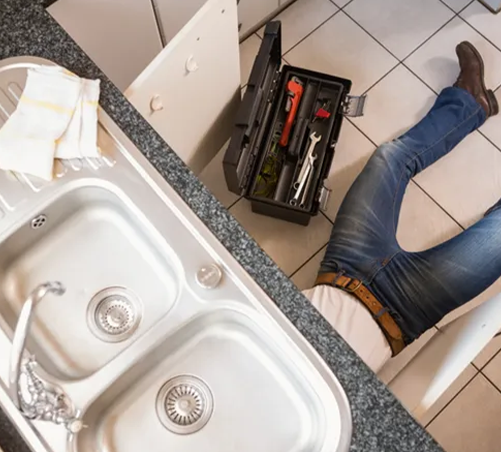
Is trenchless sewer repair worth it?In many cases, trenchless repair can be worth it because the project cost is not only about the pipe itself. Traditional excavation can also create restoration costs tied to landscaping, concrete, walkways, driveways, and other finished surfaces.
That is why trenchless repair is often viewed as a high-value option even when the direct plumbing work is not dramatically cheaper. The overall project can make more financial sense when less property restoration is needed.
That is why trenchless repair is often viewed as a high-value option even when the direct plumbing work is not dramatically cheaper. The overall project can make more financial sense when less property restoration is needed.
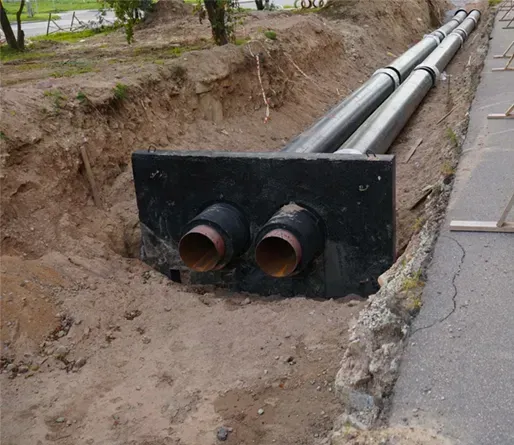
How Our Trenchless Sewer Process Works
Understand the issue
We start with the symptoms, the property conditions, and why trenchless repair may be appealing for the situation.
Inspect the line
We use camera inspection and related diagnostics to evaluate the condition of the sewer line and whether trenchless methods are realistic.
Choose the right path
We explain whether the line points toward pipe lining, pipe bursting, another trenchless option, or whether excavation or replacement is the safer answer.
Complete the work with minimal disruption when possible
If the project is a strong trenchless candidate, the work moves forward with a focus on durability, efficiency, and preserving the property as much as reasonably possible.
Trenchless Sewer Help for Homes, Commercial Properties, and More
Denver Sewer & Water works with homeowners, businesses, property managers, and other property stakeholders who want to understand whether a sewer line can be repaired or replaced with less excavation and less disruption.
This page should work especially well for users with finished landscaping, concrete, driveways, hardscape, or other surface conditions they want to protect if the sewer line qualifies for a trenchless method.
Why Trust Matters on Trenchless Sewer Projects
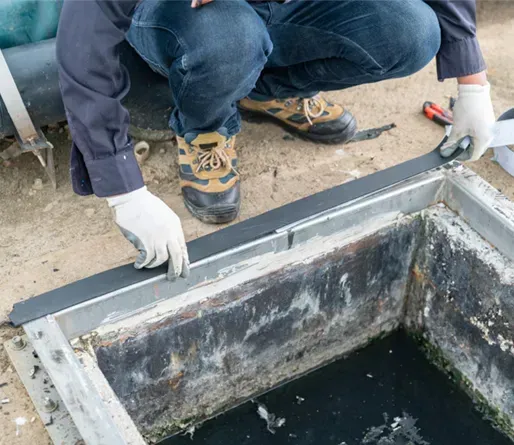
Trenchless sewer repair sounds appealing, but the real value comes from choosing the right method for the actual condition of the line. Property owners want a contractor who explains the options honestly and does not force trenchless when excavation would be the better answer.
★★★★★
Serving Denver and Surrounding Metro Communities
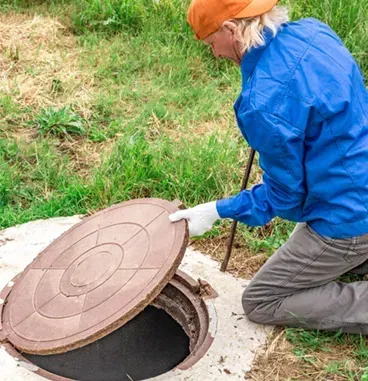
Denver Sewer & Water provides trenchless sewer line repair across Denver and nearby metro areas for properties that may qualify for a less disruptive sewer repair or replacement path.
Denver
Aurora
Lakewood
Littleton
Westminster
Arvada
Castle Rock
Centennial
Highlands Ranch
Parker
Frequently Asked Questions
What is Trenchless Sewer Repair?
Trenchless sewer repair is a way to repair or replace a sewer line without digging a long open trench across the full property. It usually uses limited access points instead.
Does Trenchless Sewer Repair Mean No Digging at All?
Not always. It usually means minimal digging rather than zero digging. Small access pits are often still needed depending on the method.
What Trenchless Methods Are Commonly Used?
Common methods include pipe lining and pipe bursting. The right method depends on the condition of the line and what kind of result the project needs.
Is Trenchless Sewer Repair Always Possible?
No. Some lines are too collapsed, too badly offset, or too poorly installed for a dependable trenchless solution. In those cases, excavation may still be the better choice.
Do I Need a Camera Inspection First?
In most cases, yes. Camera inspection helps determine whether trenchless repair is realistic and what method makes the most sense.
Is Trenchless Sewer Repair Worth It?
It can be, especially when avoiding damage to landscaping, driveways, or walkways matters. The overall project value often depends on how much surface restoration can be avoided.
How Do I Get Started?
Call (720) 935-6221 or request a free quote online to discuss the issue and whether your line may be a good fit for trenchless repair or replacement.
Need Help With a Trenchless Sewer Repair Issue?
Talk to Denver Sewer & Water about the symptoms, the property conditions, and whether the sewer line may be a good fit for trenchless repair, pipe lining, pipe bursting, or another repair path.
Share the property address or city, what symptoms you are seeing, whether a camera inspection has already been done, and whether protecting the driveway, landscaping, sidewalk, or other finished surfaces is a major concern.